
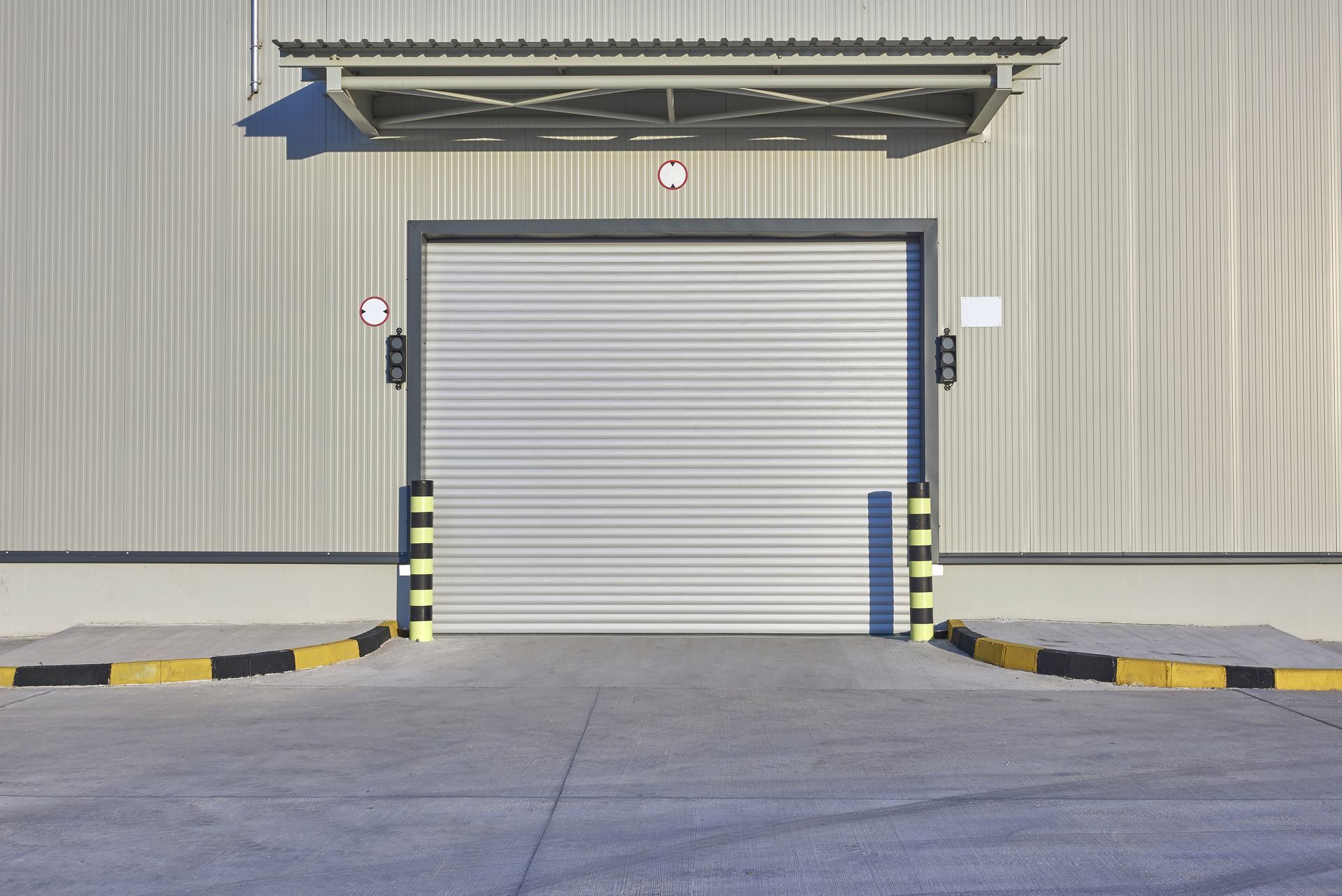
Doors Built to Handle Daily Business Use
Commercial Garage Door Services in Laingsburg for warehouses, shops, and facilities that can't afford extended downtime
A failed overhead door at a warehouse or shop doesn't just slow operations—it stops them entirely, exposing inventory to weather and creating security risks until repairs are completed. CCM Garage Door handles commercial garage door installation and repair across Mid-Michigan, working with sectional and overhead systems used in warehouses, storage facilities, retail shops, and other commercial properties. When a spring breaks during a shift change or a track bends under repeated heavy use, the response time and repair quality determine how long your operation stays offline.
Commercial door systems use heavier springs, reinforced tracks, and high-cycle openers designed for dozens of daily operations, and each component wears differently depending on door weight, usage frequency, and environmental exposure. Repairs address springs rated for commercial load cycles, cables under constant tension, rollers that handle lateral stress, and opener motors built to move doors weighing hundreds of pounds repeatedly throughout the day. Preventative maintenance catches wear patterns before they result in failure, adjusting track alignment, lubricating high-friction points, and testing safety sensors that prevent doors from closing on equipment or personnel.
Schedule a commercial door inspection to evaluate system condition and identify components approaching the end of their service life.
What Proper Commercial Door Service Includes
Commercial door repair begins with diagnosing whether the failure stems from a single worn component or a systemic issue affecting multiple parts, since a broken spring often results from a misaligned track placing uneven load on one side of the door. Technicians measure spring tension, inspect cable condition for fraying, check roller wear patterns that indicate track problems, and test opener force settings that prevent motor burnout. Replacement parts are matched to door weight and cycle ratings, ensuring springs provide the correct counterbalance force and openers deliver adequate lifting power without overworking the motor.
Once repairs are completed, you'll notice the door operates smoothly without jerking or hesitating mid-cycle, opens and closes at consistent speed, and stops immediately when the safety sensor is triggered. The system runs quieter because worn rollers and loose hardware have been replaced, and the door remains level during operation rather than tilting or binding in the tracks. Opener remotes respond on the first press, and manual release mechanisms disengage properly in case of power failure.
Installation of new commercial doors involves selecting insulation levels based on your facility's climate control needs, choosing door construction that matches usage intensity, and configuring opener systems with the appropriate horsepower and control features for your operation. CCM Garage Door provides honest pricing that reflects the actual scope of work, whether that involves replacing a single component or installing a complete door system sized for your building's opening and operational demands.
What Commercial Property Managers Usually Ask
Businesses managing commercial properties often have questions about maintaining door systems that operate more frequently and under heavier loads than residential installations.
What causes commercial garage door springs to fail?
Commercial springs fail when they reach their rated cycle limit, typically between 10,000 and 25,000 cycles depending on spring quality, or when corrosion from moisture exposure weakens the coil structure. High-cycle springs last longer but cost more upfront, and the choice depends on how many times per day your door operates.
How does preventative maintenance reduce downtime?
Scheduled inspections identify worn rollers before they seize in the track, detect cable fraying before it snaps under load, and reveal track misalignment that puts uneven stress on springs. Addressing these issues during planned maintenance prevents unexpected failures that halt operations during business hours.
What should I look for when choosing a commercial door opener?
Opener selection depends on door weight, daily cycle count, and whether you need variable speed control for smooth starts and stops. A 1/2-horsepower opener handles most sectional doors up to 14 feet wide, while heavier or wider doors require 3/4 to 1-horsepower units with reinforced drive mechanisms designed for continuous-duty operation.
When should commercial doors be replaced instead of repaired?
Replacement makes sense when the door panel shows structural damage from impact, the track system is severely bent or rusted beyond adjustment, or the door lacks insulation and your heating costs justify upgrading to an insulated model. In Laingsburg, facilities with climate-controlled interiors often benefit from insulated doors that reduce heat transfer during Michigan's cold months.
How quickly can emergency commercial door repairs be completed?
Most emergency repairs involving springs, cables, or rollers are completed within hours once parts arrive on site, since these components can be replaced without removing the entire door. Track repairs or opener replacements may take longer depending on the extent of damage and whether custom parts are needed for older systems.
CCM Garage Door works with businesses throughout Mid-Michigan to keep commercial door systems operating reliably with minimal disruption. Request a service estimate to address current door issues or schedule preventative maintenance tailored to your facility's usage patterns.