
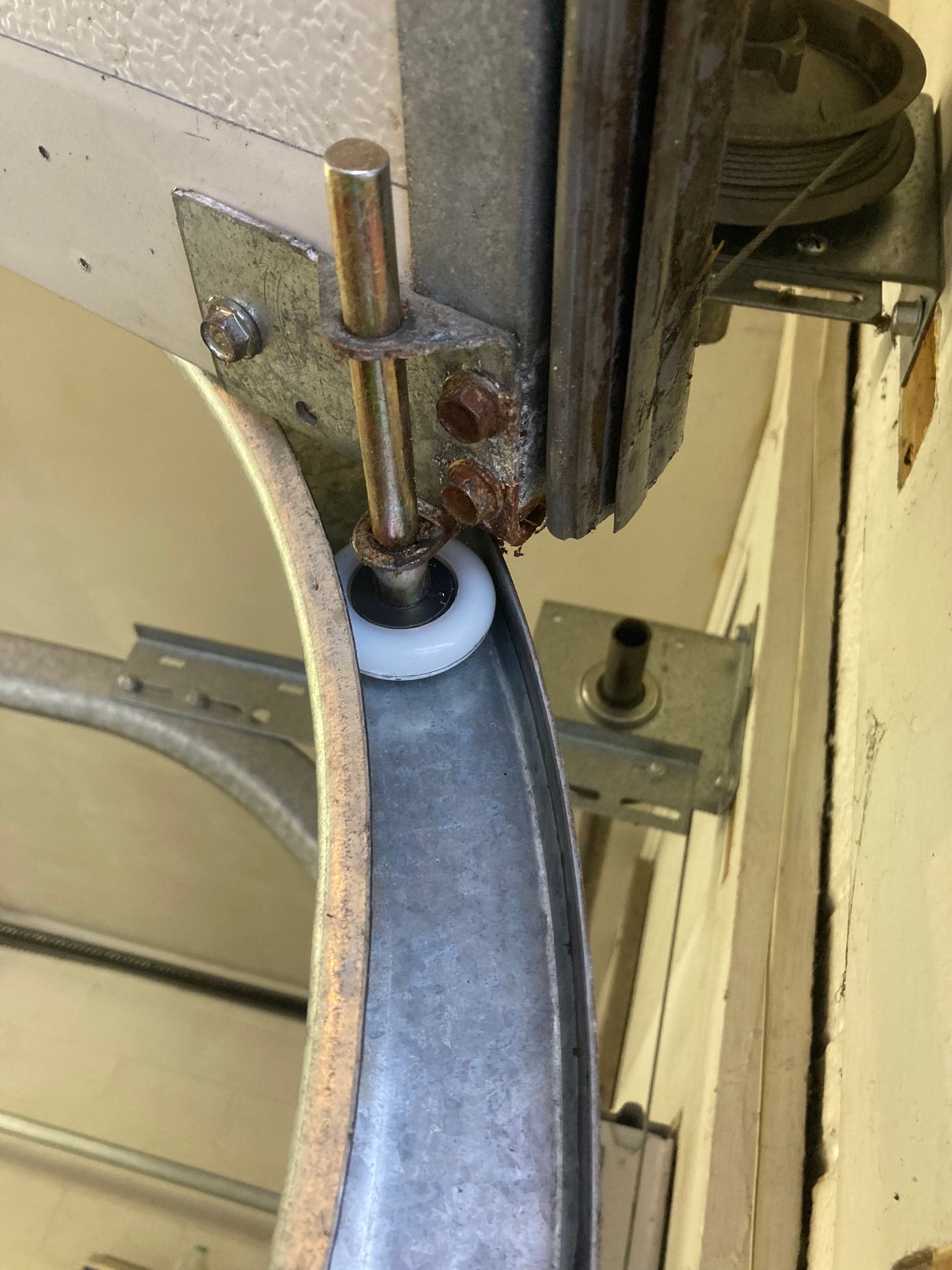
Quiet Operation Without Metal Grinding
Garage Door Roller Replacement in Laingsburg for doors producing excessive noise, binding along tracks, or showing visible roller damage
Worn garage door rollers create grinding, squealing, or rattling sounds each time the door cycles because the steel wheels develop flat spots or lose lubrication inside the bearing assembly, which causes metal-on-metal contact against the track surfaces. Upgrading from standard steel rollers to quieter, longer-lasting nylon rollers reduces operational noise by up to seventy percent and eliminates the maintenance schedule required to keep steel rollers lubricated and functional. CCM Garage Door replaces damaged and noisy rollers for residential properties across Mid-Michigan, inspecting tracks and hardware during the service to identify other components contributing to poor door performance or excessive wear patterns.
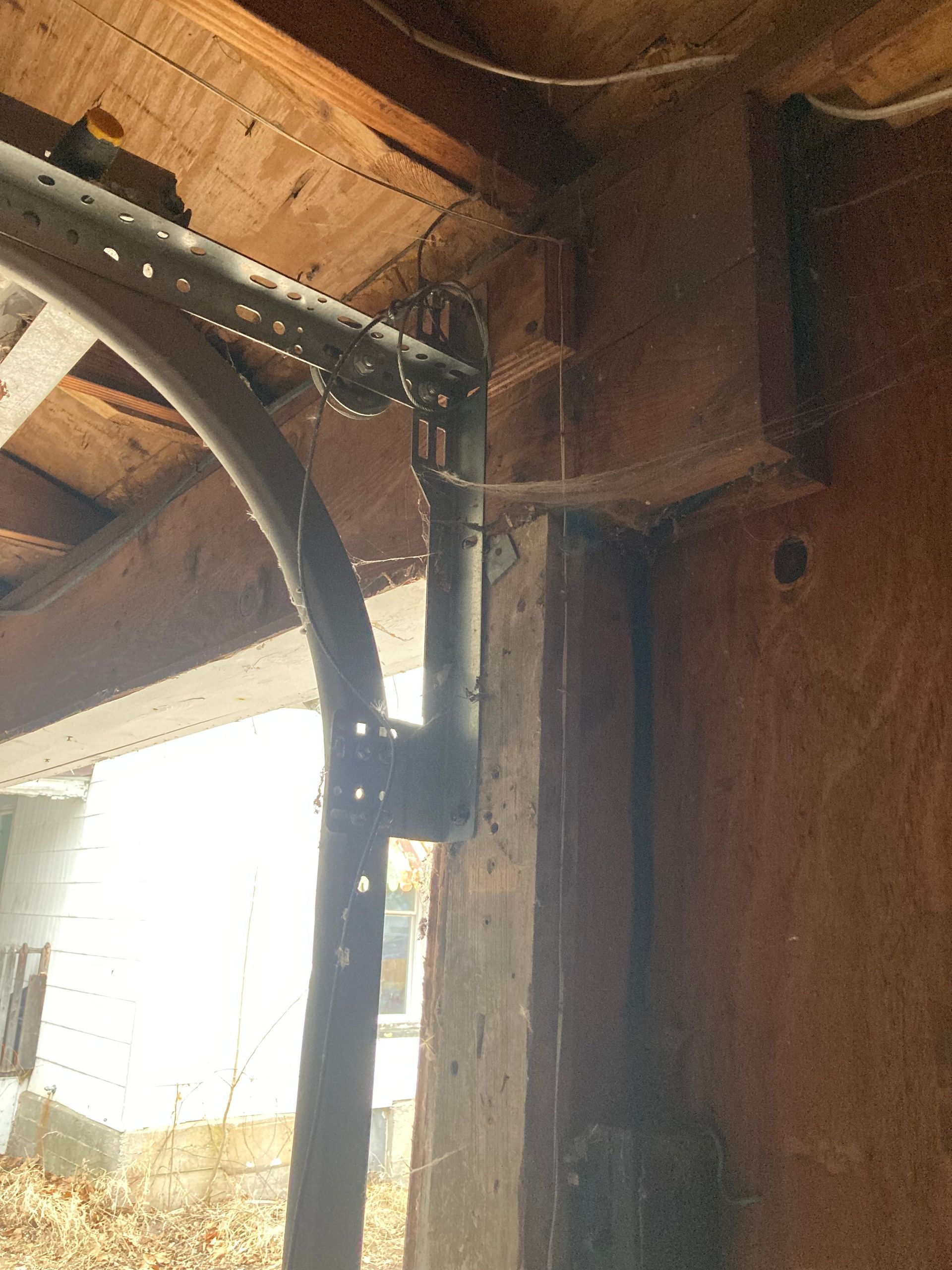
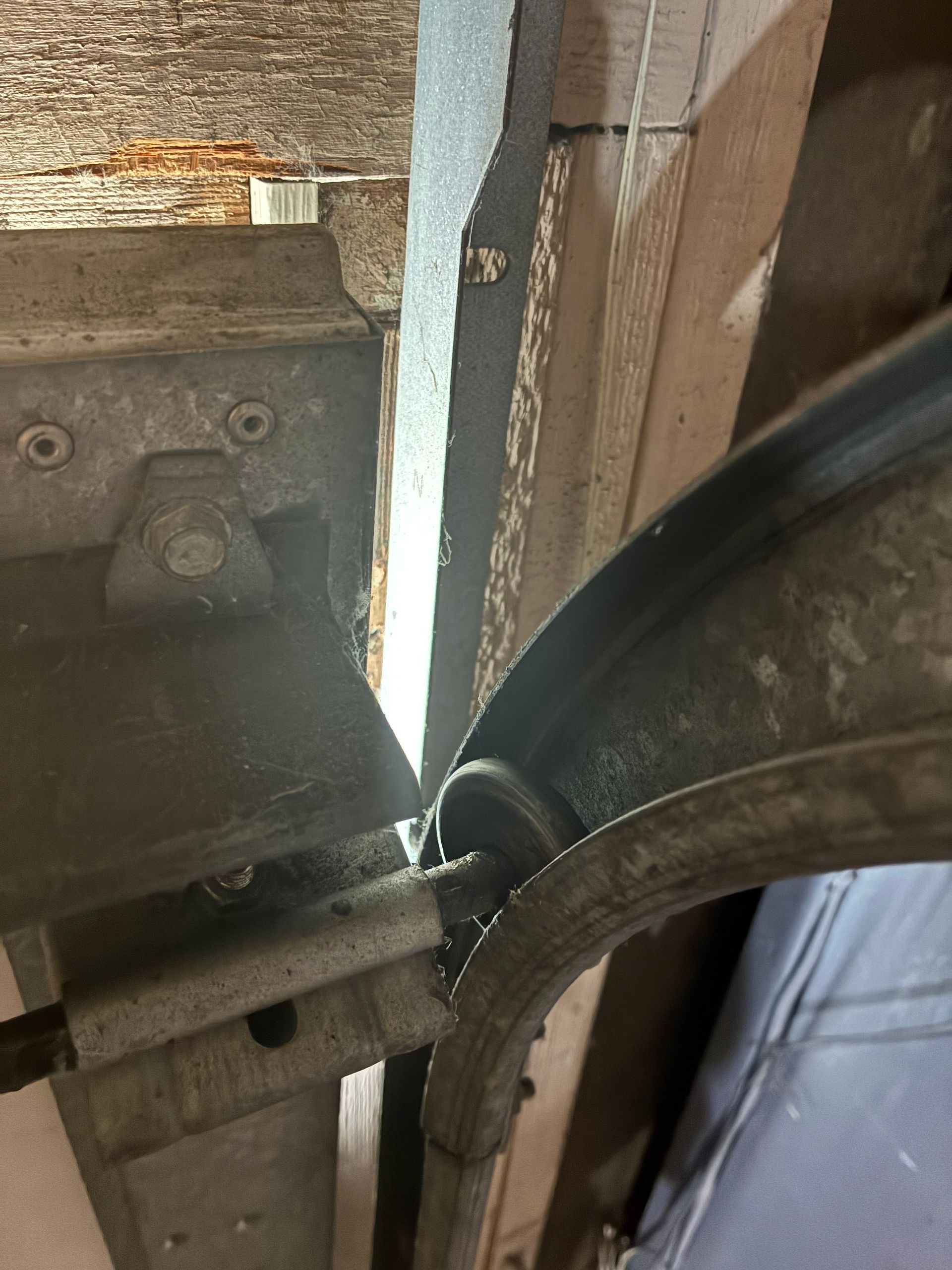
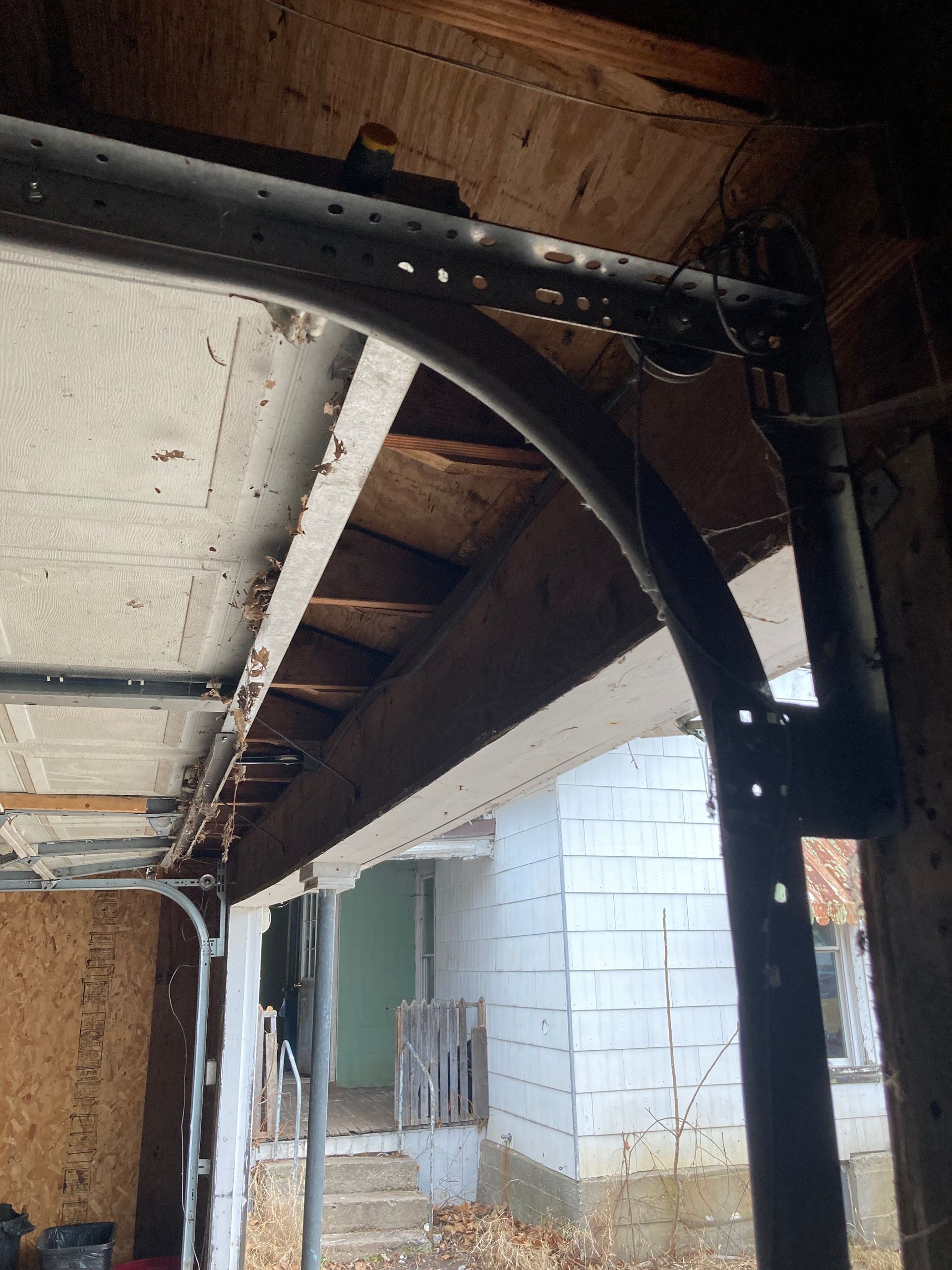
Roller replacement addresses wheels that no longer spin freely, rollers with cracked or missing tread, and bearing assemblies seized from rust or debris accumulation inside unprotected housings. The door typically has ten to twelve rollers mounted along both edges, with each roller supporting a portion of the door's weight as it travels vertically along the track curve and transitions to horizontal ceiling-mounted sections. Worn rollers increase strain on opener systems and accelerate wear on other components forced to compensate for added friction.
Schedule roller replacement before excessive wear causes larger repairs to tracks, cables, or opener motors strained by the additional resistance.
What You Notice Once Rollers Are Replaced
Replacement involves disconnecting the door from the opener, securing the door in the open position, and removing rollers one section at a time to avoid destabilizing the door or releasing spring tension unexpectedly. Technicians inspect tracks for damage, remove debris from the track channel, and verify proper alignment before installing new rollers with sealed bearings that resist moisture and dust intrusion. Nylon rollers include ball bearing assemblies that provide smooth rotation without requiring periodic lubrication, which reduces maintenance and prevents the buildup of sticky residue that attracts dirt inside garage spaces.
After replacement, your door glides smoothly along the tracks without hesitation or jerking movements, operational noise decreases significantly compared to the grinding and squealing produced by worn steel rollers, and the opener motor operates more efficiently because it no longer compensates for friction caused by damaged wheels. The door stops shaking or rattling during operation, which reduces stress on panel joints and hardware connections that eventually loosen from constant vibration.
Routine maintenance extends system life by catching roller wear early and preventing secondary damage to tracks that develop grooves or bends from prolonged contact with flat-spotted wheels. CCM Garage Door provides dependable service with quality workmanship and honest assessments about whether other components require attention during roller replacement.
Questions Before Starting Your Project
Property owners preparing for roller replacement often ask about material differences, service timing, and what signs indicate rollers need immediate attention rather than waiting until the next scheduled maintenance visit.
What's the difference between steel and nylon rollers?
Steel rollers cost less initially but require regular lubrication, produce more noise, and wear out faster than nylon rollers with sealed ball bearings that operate quietly and last significantly longer without maintenance.
How long does roller replacement take?
Most roller replacements are completed in one to two hours, depending on door size and whether track cleaning or alignment adjustments are required during the service visit.
Can worn rollers damage my garage door tracks?
Yes, rollers with flat spots or damaged wheels grind against track surfaces and create grooves that eventually prevent smooth door movement and require expensive track replacement to correct.
Why does my door make more noise in winter?
Cold temperatures cause metal rollers to contract and stiffen lubricants, which increases friction and amplifies noise during operation until components warm up after several cycles.
Should I replace all rollers at once or just the damaged ones?
Replacing all rollers simultaneously ensures consistent performance, eliminates future service calls for rollers that will fail shortly after the first ones were replaced, and allows the door to operate smoothly without uneven resistance along different sections.
CCM Garage Door handles roller replacement throughout Laingsburg and Mid-Michigan with reliable service and proper installation that improves door function and reduces strain on opener systems. Request an inspection to evaluate roller condition and receive a service estimate based on your door's specific configuration and wear patterns.