
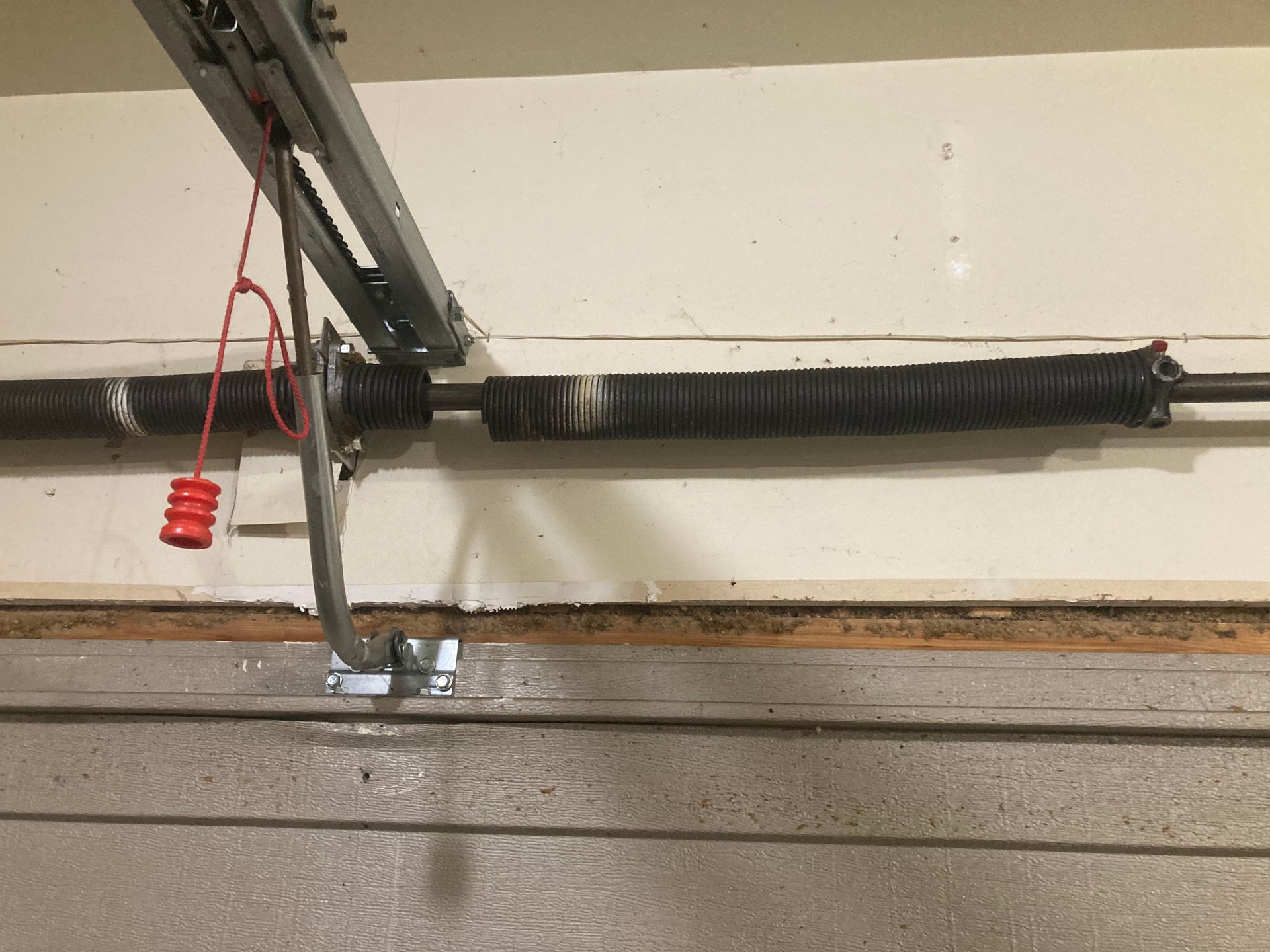
Springs Calibrated for Balanced Operation
Garage Door Spring Replacement & Repair in Laingsburg for doors that became heavy, won't stay open, or broke suddenly during operation
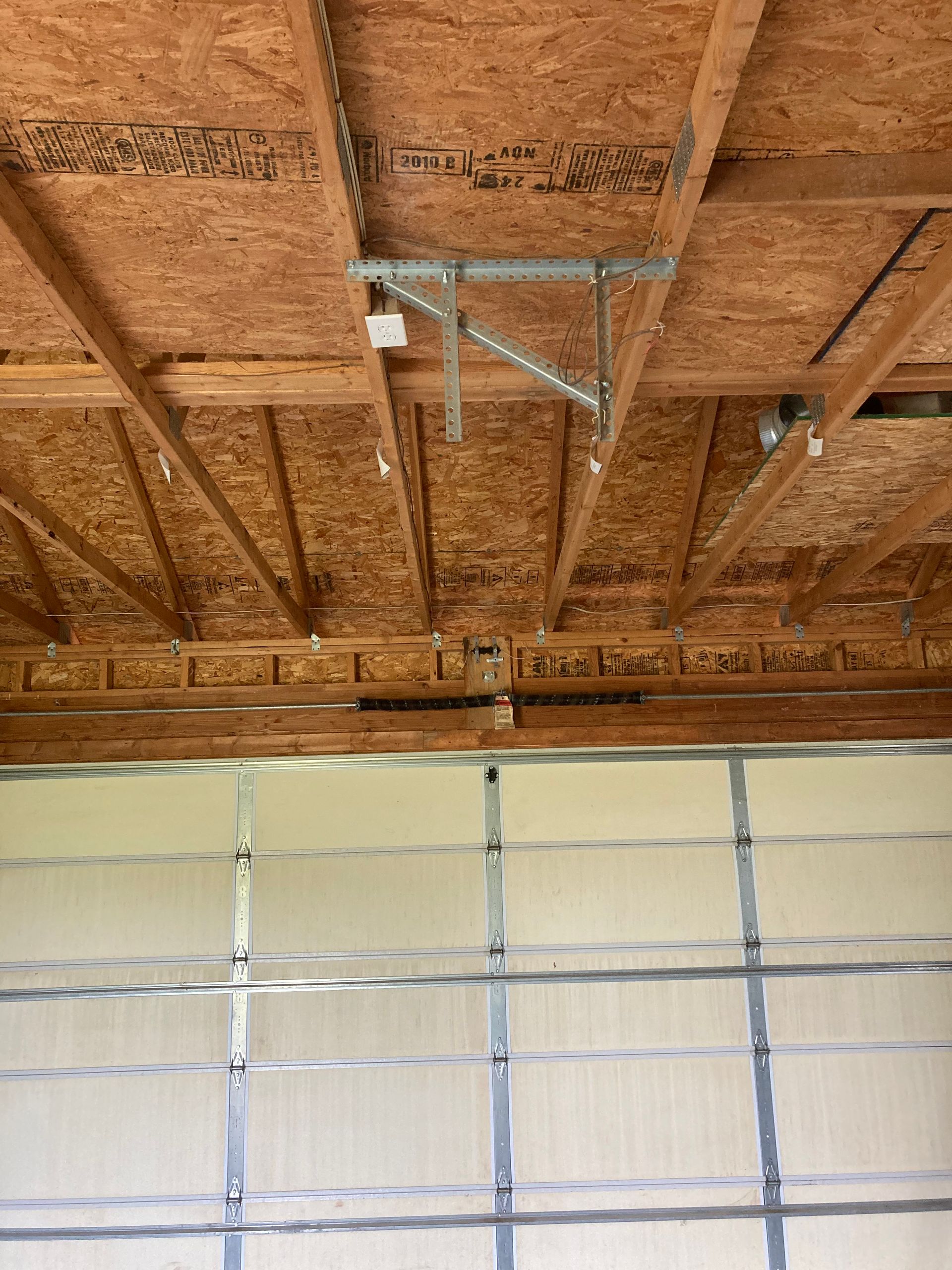
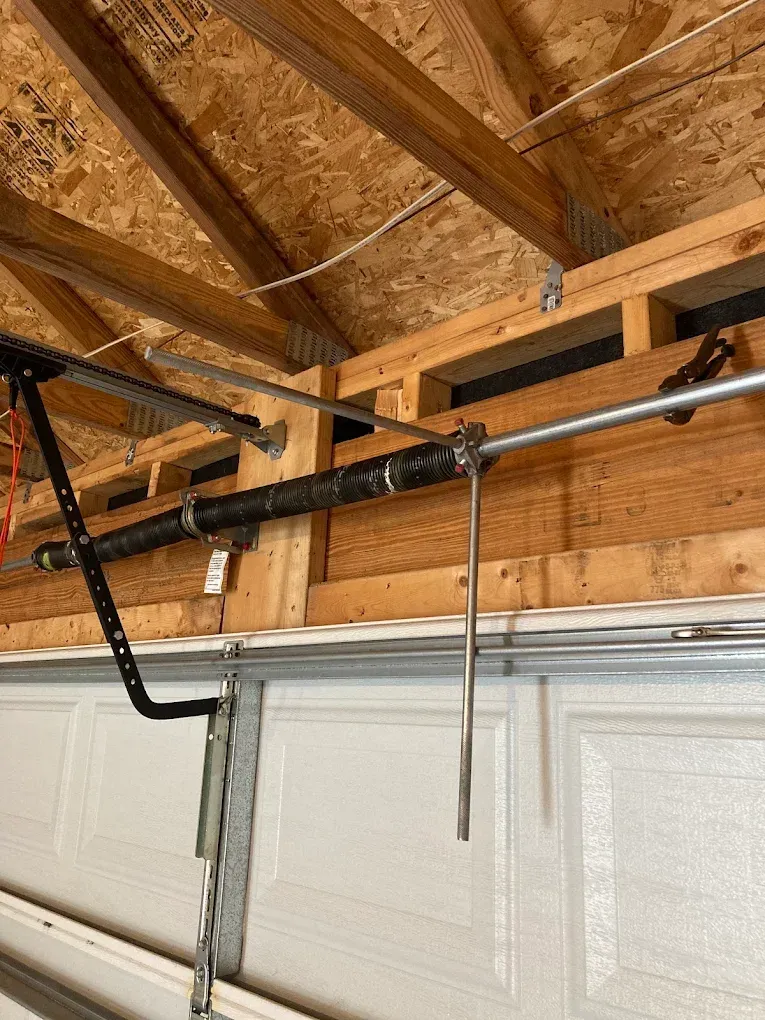
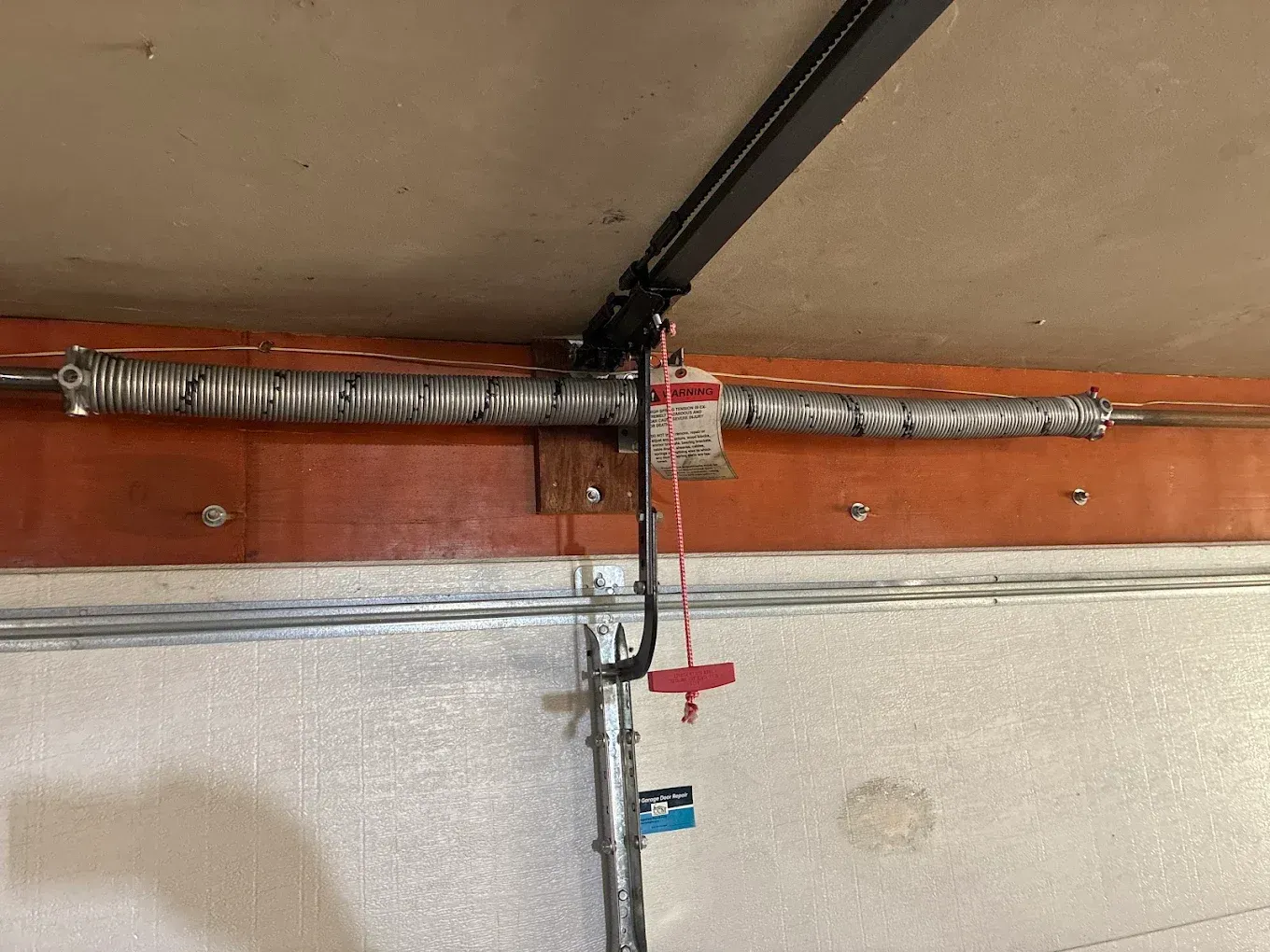
A broken torsion spring produces a loud bang that sounds like a gunshot and leaves the door too heavy to lift manually or strains the opener motor until it overheats and shuts down. CCM Garage Door replaces torsion and extension spring systems for residential and light commercial properties across Mid-Michigan, responding quickly to emergency spring failures that leave vehicles trapped inside or properties exposed to security risks. Torsion springs mount on a shaft above the door and use rotational force to counterbalance the door's weight, while extension springs stretch along horizontal tracks and rely on tension cables to prevent them from becoming projectiles if they snap under load.
Spring failure results from metal fatigue after thousands of daily cycles, with most residential springs rated for seven to ten thousand cycles depending on wire gauge and coil diameter. Warning signs include gaps in the coil where the spring separated, doors that open unevenly or tilt to one side, heavy resistance when lifting manually, and loud popping or squealing noises during operation. Technicians measure the door's dimensions and weight to select springs with the correct wire size, inside diameter, and length, then install them using winding bars designed to safely release and apply the high tension required for proper counterbalance.
Schedule professional spring service before additional damage occurs to cables, rollers, or the opener system forced to compensate for failed springs.
What Changes After Spring Replacement
Replacement involves removing tension from old springs using winding bars inserted into the winding cone, unthreading set screws that secure the springs to the torsion shaft, and installing new springs torqued to specifications that match the door's weight and height. Technicians inspect cables for fraying, check roller bearings for wear, and verify the door sits level across the opening after spring tension is applied. Complete system inspections identify secondary issues like worn hinges or bent tracks that contribute to uneven spring wear.
After replacement, the door lifts smoothly with minimal effort when you disengage the opener and operate it manually, the panels rise evenly without tilting or binding along the tracks, and the door stays in place when stopped halfway up instead of slamming shut or creeping toward the floor. Your opener motor no longer struggles or overheats during operation because the springs provide the counterbalance force required to lift the door's weight efficiently. Loud grinding or squealing noises disappear once properly tensioned springs eliminate metal-on-metal friction caused by the door dragging along tracks.
Safe replacement requires proper tools and knowledge of spring tension calculations, which is why DIY spring replacement often results in injury or incorrect installation that causes premature failure. CCM Garage Door provides fully insured service with quality parts and honest recommendations about whether other components require attention during the repair.
Common Questions About This Service
Homeowners facing spring failure want to understand how long repairs take, what causes springs to break, and what they can do to extend the life of replacement springs.
How long do garage door springs typically last?
Most residential torsion springs are rated for seven to ten thousand cycles, which translates to seven to ten years of use for a door opened and closed twice daily, though cycle life decreases in extreme temperatures common during Mid-Michigan winters.
Why do springs break more often in winter?
Cold temperatures make spring steel more brittle and reduce flexibility, which increases the likelihood of sudden fracture during the high-stress moment when the door begins lifting from the closed position.
Can I replace just one spring if only one broke?
Technicians typically recommend replacing both springs simultaneously because if one failed, the other has experienced the same number of cycles and will likely break soon, requiring a second service call and additional labor costs.
What happens if I continue using the door after a spring breaks?
Operating the door with broken springs forces the opener motor to lift the entire weight, which burns out the motor, frays lift cables, and bends tracks as the unbalanced door twists during operation.
How can I tell if my springs are wearing out before they break?
Visual signs include gaps between coils, rust or corrosion on the spring surface, doors that feel heavier when lifting manually, and uneven movement where one side of the door rises faster than the other during operation.
CCM Garage Door offers fast response times for emergency spring failures throughout Laingsburg and surrounding Mid-Michigan communities, with quality workmanship and proper installation techniques that prevent premature failure. Contact the team to schedule spring replacement or request an inspection if your door shows warning signs of spring wear.